Toronto permit data
How to Find the Permit History of a House Before You Buy It
Published July 24, 2026
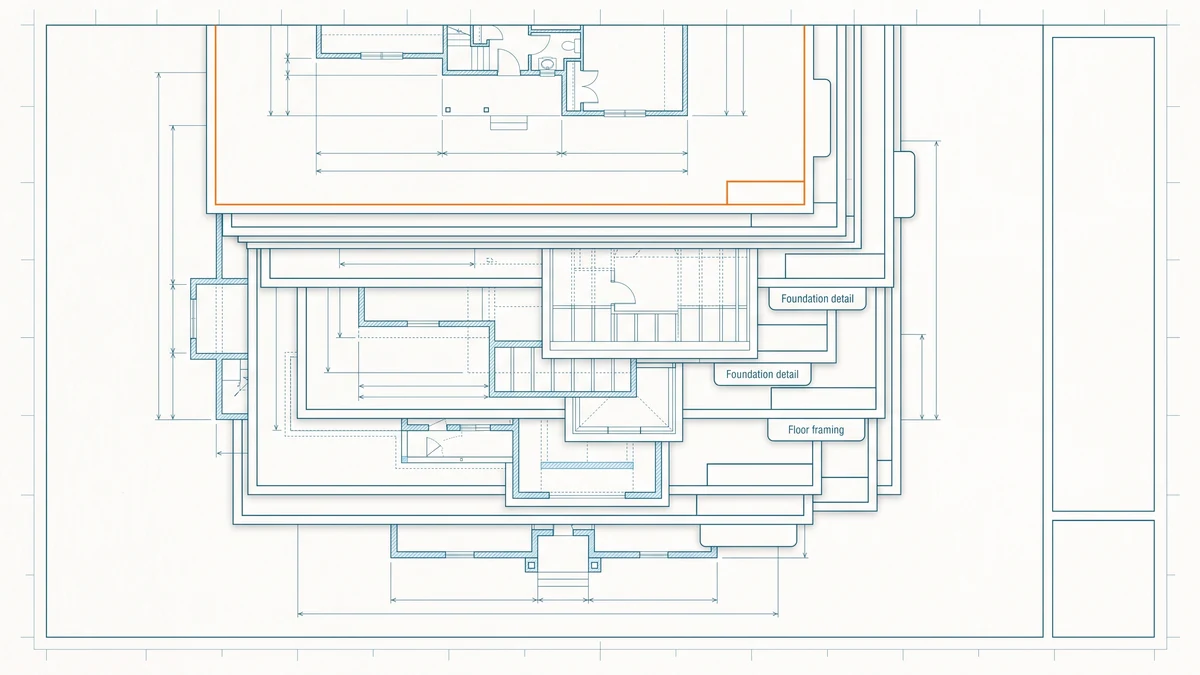
The short version
- Start free. Toronto publishes its active building permits as open data, so you can search any address in seconds.
- The open record covers recent and active permits. A complete history for an older house means requesting the City's building records file.
- An empty result means nothing is currently on the active register, not that no work was ever done or permitted.
- Pair the permit search with a home inspection. Neither one alone catches unpermitted work reliably.
How do you find the permit history of a house in Toronto?
Short answer: Search the address against Toronto's open permit record first. It is free and takes seconds. Check anything open or under review with the City's status tool, and if you need the full file, including drawings, request the property's building records from Toronto Building. An empty result means nothing is currently active, not that no work was ever done.
Before you sign an offer, the permit history tells you whether that finished basement, rebuilt deck, or "renovated top to bottom" claim in the listing was ever authorized on paper. Sellers rarely volunteer this, and a listing agent's word is not a record. The record itself is public, and in Toronto most of it is a search box away.
There are three layers to a house's permit history, from fastest to most complete: the open permit record, the City's application status tool, and the property's full building file. This guide walks through each, in the order a buyer should use them.
What does a house's permit history actually show?
A permit history is the trail of building permits the City holds against an address: what work was applied for, when, and where each permit stands. For a buyer, three fields do most of the work. The type of work tells you whether the renovation you can see matches a permit that exists. The dates tell you when it happened. The status tells you whether the file was ever closed, because an issued permit that never reached final inspection is a loose end you may inherit.
Just as important is what the public record leaves out. It does not name the owner, the applicant, or the contractor. It does not include the drawings, and it does not publish inspection notes. So the record answers "was this work permitted, and is the file closed," and it stays silent on who did it and how well. That is why a permit search complements a home inspection instead of replacing one. The two answer different questions.
Where can you find construction permits on an address for free?
The fastest way to find construction permits on a Toronto house is to search the address on PermitIndex. We index the City of Toronto's open data on active building permits, classified by trade and dated, so you can read a property's recent permit activity without downloading a raw data file. The index currently holds 28,514 Toronto permits issued in the trailing twelve months as of Aug 26, 2026, refreshed as the City's record updates.
The underlying source is the City's own active building permits dataset, published through the Open Data portal. It is the authoritative citation, and it is what makes permits public record in Ontario in practice, not just in principle. If you want the mechanics of reading an individual record, the guide to looking up a Toronto building permit covers it field by field.
One honest limit: this layer covers permits currently on the active register. It is strong on recent work, which is what most buyers care about, and weaker on work from decades ago, which has usually closed and aged off.
How do you check a permit that is still open or under review?
For a permit that has not closed yet, the City runs an online building permit application and inspection status tool. It shows where an application sits in review, which inspections have happened, and whether the file has closed. The City describes its coverage as recent applications, and files drop off shortly after they close, so treat it as a status checker rather than an archive.
This is the layer to use when a listing says "permit in place" for work that is clearly unfinished. An application under review is not an issued permit, and an issued permit is not a closed file. Our guide to checking a Toronto permit's status explains what each status means for a buyer, and the permit number explainer shows how to decode the reference the seller gives you.
How do you get the full building file, including drawings?
For a complete history, especially on an older house, the City's building records request service is the deep layer. Toronto Building holds drawing records from past permit applications, including building plans, site plans, surveys, and drain plans. You apply per property, a fee applies per request (the current amount is on the City's page), and the City says it aims to process requests within about thirty business days. This is not a same-day search, so start it early in your conditional period, or before you offer.
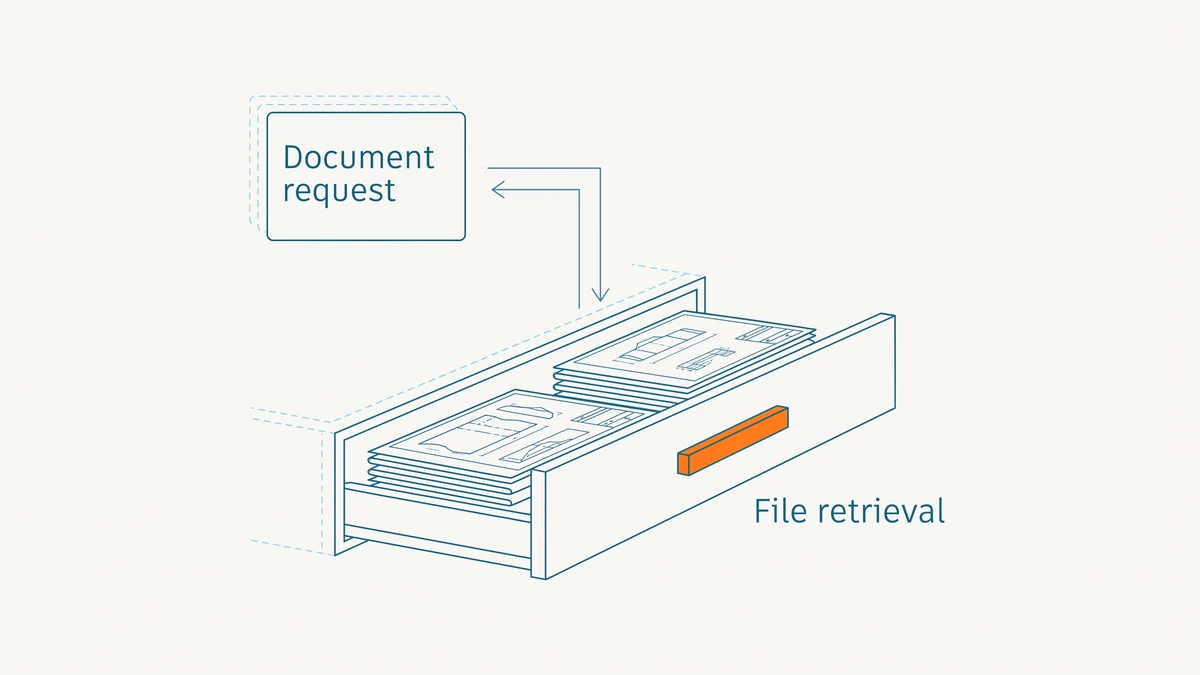
Access to the drawings themselves is more restricted than access to the fact of a permit. For houses, the City releases plans within a defined window around the permit's life, and owners can object on privacy and security grounds. Outside that window, or for other building types, you generally need to be the owner or carry the owner's written consent. Records old enough to predate the City's digital files may sit with the City of Toronto Archives instead. The details change, so confirm the current rules on the City's request page rather than relying on any summary, including this one.
What if work was clearly done but nothing shows up?
An empty search result has two common explanations, and only one of them is a problem. The work may have been minor enough that no permit was required, or the permit may have closed and aged off the active register. Neither of those should alarm you. The City's open record covers active permits, so "nothing found" means nothing is currently on the register, not that the house has no history.
The problem case is visible, permit-requiring work with no permit trail anywhere: not in the open record, not in the status tool, and not in the building file. A finished basement apartment, a large addition, or moved plumbing with no paper behind it is a real liability, because the City can require the current owner to legalize or undo it, regardless of who did the work. If that is what you are looking at, read our guide to buying a house with unpermitted work in Ontario before you waive conditions, and put the question to your inspector and your lawyer in writing.
Quotable: A permit search and a home inspection answer different questions. The search shows what was authorized on paper. The inspection shows what is physically there. Unpermitted work is exactly the gap between the two.
Does this process work outside Toronto?
The principle travels; the tools do not. Building permits are municipal records across Ontario, so every city and township can disclose a property's permit history. What differs is access. Toronto publishes an open, searchable record. Many smaller municipalities still handle the same request by phone, at a counter, or through a written records request, and their online tools vary from good to nonexistent. Ask the local building department what they publish and what requires a formal request.
Be clear about scope when you use this site, though: PermitIndex data covers Toronto only. Our numbers describe Toronto permits, and we do not imply coverage anywhere else. For a house outside Toronto, the workflow in this guide still applies, but the municipality itself is your source.
The fastest first step stays the same either way. For a Toronto address, search the permit record before you book anything else. It costs nothing and takes less time than reading the listing.
How these numbers are calculated
The one statistic on this page, the count of Toronto building permits issued in the trailing twelve months, is computed live by the seo_citywide_12mo aggregate over the City of Toronto's open dataset of active building permits, and is stamped with the newest issue date in that data. It is not a hand-entered figure.
The known bias: the City publishes permits that are currently active, and records leave the dataset as projects close out. Every figure here describes permits presently on record in Toronto, not a complete historical census. Sourcing and licence details are on the data sources page.
Frequently asked questions
- How far back does a Toronto permit search go online?
- The City's open dataset covers permits that are currently active, and its online status tool covers recent applications. Older and closed files age out of both, so a complete history for an older house usually means requesting the property's building records file from the City directly.
- Do I need the owner's permission to see a house's permit records?
- Not for the basic record. The fact of a permit, the type of work, and its status are public information you can look up for any address. Access to the filed drawings is more restricted: for some building types the City releases plans only to the owner or to someone with the owner's written consent.
- Can my real estate agent or lawyer pull the permit history for me?
- They can, and often do as part of due diligence, but there is nothing exclusive about their access. The same open data and City records services are available to you directly, without a professional intermediary.
- What is the difference between a permit search and a home inspection?
- A permit search shows what work was authorized on paper. A home inspection assesses the physical condition of the house. Unpermitted work can hide from both, which is why buyers use the two together rather than treating either as complete.
- Should an open permit stop me from buying a house?
- Not automatically, but it should change the conversation. An open permit means the City's file on that work is not closed, and a buyer can inherit the obligation to finish inspections and close it out. Many buyers ask the seller to close open permits as a condition of sale, and a real estate lawyer can advise on the specific risk.