Toronto permit data
Can You Get a Retroactive Building Permit in Ontario?
Published July 24, 2026
The short version
- Yes. Ontario municipalities accept permit applications for work that is already built. There is no separate permit class for it; you file a standard application for existing work.
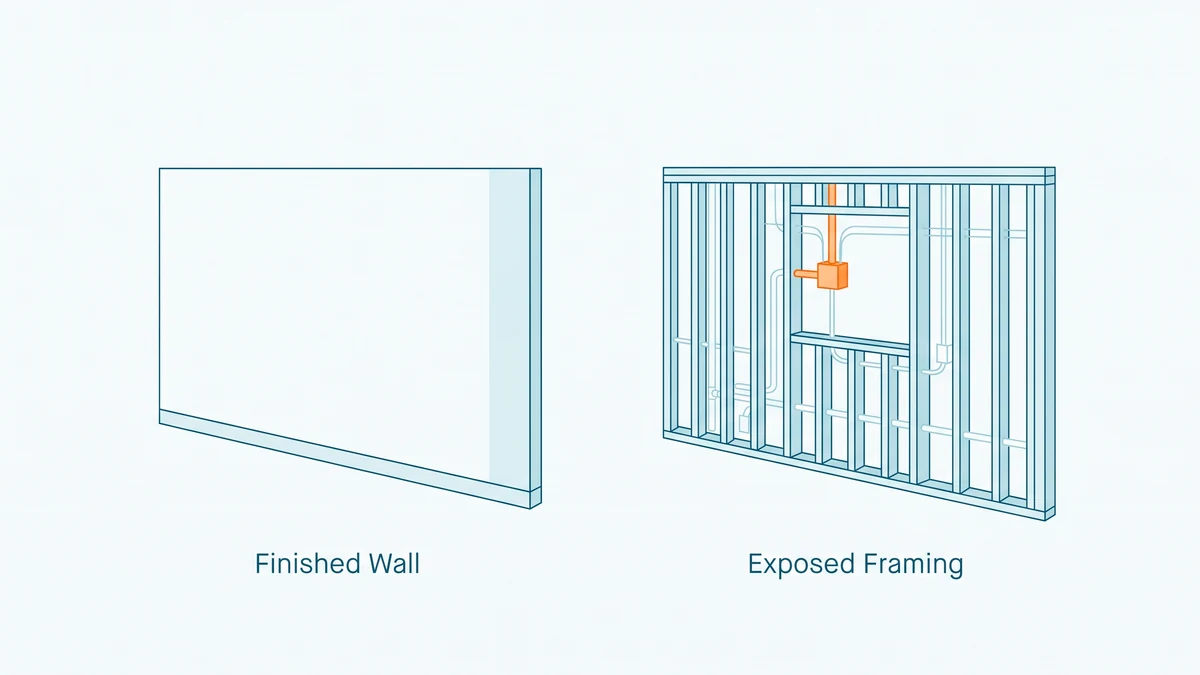
- The catch is proof. Finished work hides the framing, wiring, and connections an inspector normally sees in stages, so you may have to open walls or ceilings back up.
- Expect the regular permit fee plus an additional administrative charge in Toronto, and expect the review to take at least as long as a normal application.
- Work that cannot be shown to meet the Building Code gets corrected or removed. A retroactive permit legalizes compliant work; it does not amnesty non-compliant work.
Can you get a retroactive building permit in Ontario?
Short answer: Yes. Ontario municipalities will accept a building permit application for work that is already finished. You file the same application as anyone else, describe the work as it was actually built, and the building department reviews it against the Ontario Building Code. The work gets legalized only if it complies, or once you fix what does not.
That is the honest version of "retroactive permit," and it is worth being precise about, because the phrase suggests a rubber stamp that does not exist. The law behind it is the Building Code Act, 1992, which requires a permit before construction starts. Building first and applying later does not erase that violation. It just changes the path back to compliance, usually making it slower and more expensive than doing it in the right order.
This guide covers how the process works, with Toronto as the worked example, what it tends to cost, and where applications get stuck.
What is a retroactive building permit?
Retroactive permit (also called an as-built permit or a permit to legalize existing work): a standard building permit applied for after construction has already happened, supported by drawings of the work as it actually exists rather than as it is proposed. Ontario law has no separate permit category for this. The application form, the review, and the code standard are the same as for new work.
Quotable: Ontario has no special permit class for finished work. A retroactive permit is an ordinary building permit application judged against the ordinary Building Code, with the burden of proof shifted onto work that is already covered up.
That shifted burden is the whole difficulty. A normal permit is inspected in stages, so the inspector sees the footings before the slab, the framing before the drywall, the plumbing before it is closed in. Finished work hides all of that. The review has to reconstruct what a staged inspection would have verified, which is why retroactive applications lean heavily on documentation and sometimes on physically reopening the work.
How do you get a permit for work that is already done in Toronto?
The path in Toronto runs through the same permit application process as new work, with extra steps layered on. In practice it looks like this:
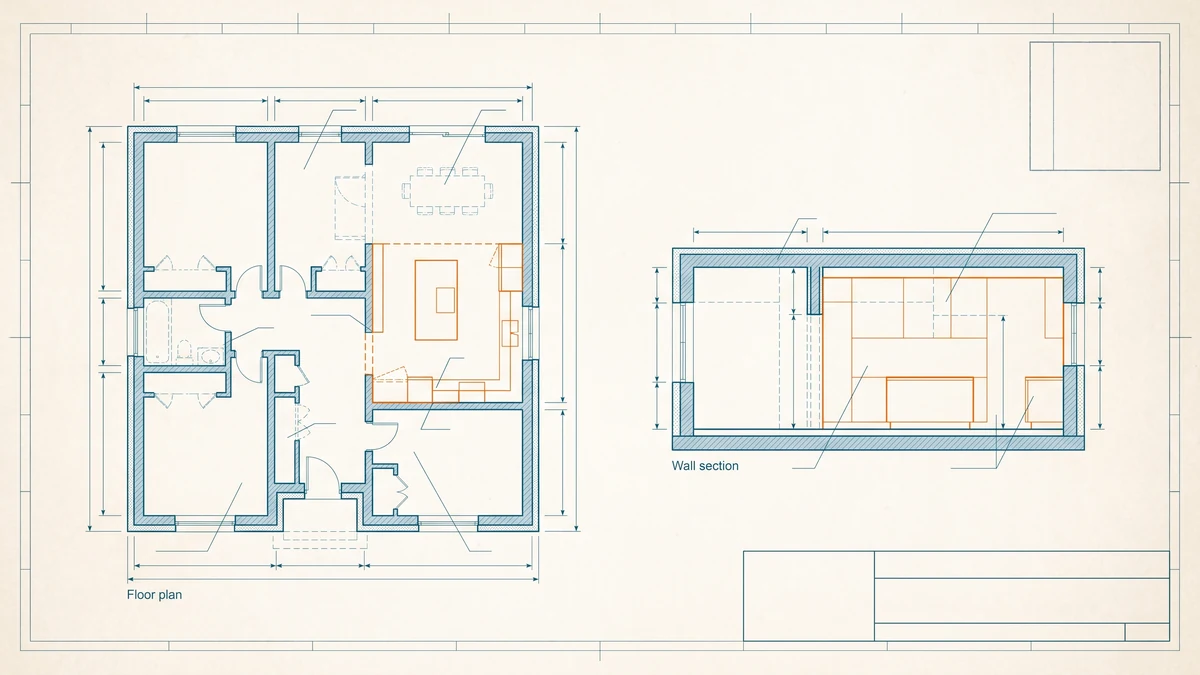
- Document the as-built condition. You need drawings, to scale, of what was actually built. For anything structural or mechanical, this often means hiring a designer or engineer to measure, assess, and draw the existing work. Guesswork drawings fail review.
- File the application. Same forms, same intake. If work is still underway when the City learns of it, expect it to stop until a permit is issued.
- Plan review. Examiners check the as-built drawings against the Building Code and zoning, exactly as they would a proposal.
- Verification. An inspector confirms the built work matches the drawings and the Code. Where covered work cannot be verified, the City can require it to be exposed. The Building Code Act gives inspectors order powers for exactly this situation, including orders to uncover work.
- Corrections, then closure. Anything that fails gets fixed and re-inspected. The permit closes when the work, as it finally stands, complies.
Every step is the City's call, not ours, so treat the City of Toronto's working without a permit page as the authority on current requirements. What the process is not, anywhere in Ontario, is a negotiation. There is no fine you can pay to keep non-compliant work.
What does a retroactive permit cost?
More than the same permit would have cost up front, in three layers. First, the regular permit fee still applies in full. Second, Toronto adds a "work without permit" administrative fee on top of it, which the City currently describes as a percentage surcharge on the project's permit fees, with set minimums and maximums; check the City's live fee schedule for the current structure, because we do not track fee amounts and they change. Third, the professional costs are usually the largest line: measuring and drawing existing conditions, engineering assessments, opening and reinstating finishes, and correcting whatever fails review.
Beyond fees, building without a permit is an offence under the Building Code Act, and prosecutions can carry substantial fines on top of the administrative surcharge. Our companion piece on fines, orders, and how to legalize covers that enforcement side in detail.
How long does a retroactive permit take in Toronto?
A retroactive application waits in the same queue as everyone else's, so the floor is the ordinary approval lag. Across the 28,514 Toronto permits issued in the trailing 12 months and still on record, the median wait from application to issuance was 32 days, and one in ten waited longer than 218 days as of Aug 26, 2026. Those are observed issuance lags among permits currently on record, Toronto only, not a City service commitment.
Retroactive files then add their own delays on top: rounds of revision when as-built drawings do not satisfy the examiner, scheduling uncovering and re-inspection, and doing corrective work between visits. The Toronto permit wait times page breaks the baseline lag down by trade and area, which is a reasonable way to set expectations before you file.
What happens if the work cannot be approved?
The application does not simply die quietly. Once a municipality knows about unpermitted work, it has order powers under the Building Code Act: orders to comply, orders to uncover, and stop work orders, backed by prosecution if ignored. If the as-built condition cannot meet the Code as it stands, the realistic outcomes are corrective construction to bring it up to standard or removal of the offending work. Which one applies is an engineering and code question, decided case by case.
This is also why the problem tends to surface at the worst time: during a sale. A buyer's lawyer or inspector who spots finished work with no matching permit record will raise it, and the seller inherits the legalization problem under deadline pressure. If you are on the buying side of that situation, our guide to buying a house with unpermitted work in Ontario covers what to check. For the full picture of consequences, start with the pillar guide on what happens if you build without a permit in Ontario.
One practical first step either way: check what is actually on record. You can search any Toronto address on PermitIndex and see the building permits the City currently holds for it, free, in seconds. An address showing no permit for a major visible renovation is not proof of an offence, since older closed permits age out of the City's active dataset, but it tells you exactly what question to ask next.
How these numbers are calculated
The wait figures on this page come from seo_wait_citywide, which computes the median and ninetieth-percentile gap between application date and issue date, in SQL, over City of Toronto permits issued in the trailing twelve months, dropping records where the issue date precedes the application date and reporting nothing for any group under thirty permits. The freshness stamp is the newest issue date in the citywide dataset, from seo_citywide_12mo, not the page's render date.
One limitation applies: the City publishes currently active permits, and records leave that dataset as projects close out. So these figures describe permits presently on record in Toronto, not a historical census, and they are observed issuance lags, not a processing commitment from the City. Sourcing and licence details are on the data sources page.
Frequently asked questions
- Will the City make me tear out finished work to get a retroactive permit?
- Sometimes, in part. An inspector has to verify what a normal staged inspection would have seen, so covered elements like framing, insulation, or plumbing connections may need to be exposed. Full removal is the outcome only when the work itself cannot be brought up to code, not a punishment applied by default.
- Does a retroactive permit show up on the property's permit record?
- Yes. Once issued, it enters the municipal record like any other permit, with its application date, issue date, and description of the work. In Toronto that record flows into the City's open data, which is the same record PermitIndex indexes and makes searchable by address.
- Can the City refuse a retroactive permit application?
- Yes. A permit is issued only when the application shows the work complies with the Ontario Building Code and applicable zoning. If the as-built condition does not comply, the application stalls until the work is corrected, and the municipality can order changes or removal in the meantime.
- Do other Ontario municipalities handle retroactive permits the same way as Toronto?
- The legal framework is provincial, so the principle is the same everywhere: apply, prove compliance, correct what fails. The mechanics differ by municipality, including what the surcharge is called, what drawings are demanded, and how aggressively unpermitted work is pursued. Check your local building department's process before filing.
- Is it better to apply voluntarily or wait until the City notices?
- Applying voluntarily generally puts you in a stronger position. Once an inspector finds the work, typically after a complaint or during a sale, orders and deadlines drive the timeline instead of you. The fee surcharge usually applies either way, so waiting rarely saves money and often adds enforcement pressure.